
Engines rarely fail without warning. Most problems start small and grow with use, heat, pressure, and contamination. The challenge for maintenance teams is seeing those early signs before they turn into expensive repairs. This is where borescopes play a key role.
A borescope allows inspectors to look inside an engine without tearing it apart. Over time, repeated inspections create a clear record of how components change. By mapping wear patterns across inspections, teams can shift from reactive fixes to proactive maintenance planning.
This approach saves time, protects assets, and helps engines run closer to their expected service life.
Why tracking wear over time matters
One inspection can show damage. Multiple inspections tell a story.
When you track wear across months or years, patterns start to appear. A scratch that stays the same may not matter. A pit that grows steadily could signal a lubrication issue or debris in the system. Trend data turns images into actionable insight.
Without this history, teams often rely on guesswork. Components get replaced too early or too late. Both choices cost money. Mapping wear gives decision makers evidence to act with confidence.
Common engine components monitored with a borescope
Borescopes are used across many engine types, from automotive and diesel to aviation and power generation. The parts inspected may vary, but the goal stays the same.
Typical components include:
- Cylinder walls and liners
- Pistons and piston crowns
- Valves and valve seats
- Combustion chambers
- Turbocharger blades
- Fuel injector tips
Each of these parts wears in predictable ways. Knowing what normal wear looks like helps inspectors spot trouble early.
Building a baseline inspection
The first step in wear mapping is creating a baseline. This is the reference point for all future inspections.
A baseline inspection should be done when the engine is new, freshly rebuilt, or confirmed to be in good condition. High quality images and video are captured and stored with clear notes. These records include engine hours, load conditions, and operating environment.
This baseline answers a simple question later. What has changed since last time?
Consistency is critical for trend accuracy
To track wear properly, inspections must be consistent.
That means using the same access points, similar camera angles, and comparable lighting settings each time. Even small differences can make wear look worse or better than it really is.
Modern borescopes help with this by offering adjustable lighting, articulation, and image capture tools. When used the same way at regular intervals, they produce reliable visual data that supports long term analysis.
Recognizing early wear patterns
Wear rarely appears overnight. It often starts as faint marks or discoloration.
Examples include:
- Light scoring on cylinder walls
- Minor valve edge erosion
- Early carbon buildup in combustion areas
- Small nicks on turbo blades
On their own, these signs may not cause immediate concern. When compared over time, their progression becomes clear. This is where mapping adds real value.
If wear accelerates between inspections, it signals a change in operating conditions or maintenance practices that needs attention.
Using images to support maintenance decisions
Images are powerful tools when shared across teams.
Maintenance managers, engineers, and operators can all review the same visual evidence. This reduces disagreements and speeds up decisions. Instead of debating whether a part should be replaced, teams can see exactly how it has changed.
Annotated images and side by side comparisons make it easier to justify maintenance actions, budget requests, and downtime planning.
Planning proactive maintenance with trend data
Once wear trends are understood, maintenance planning becomes more precise.
Instead of fixed schedules, teams can base actions on actual condition. If wear progresses slowly, service intervals may be extended. If damage grows faster than expected, maintenance can be scheduled before failure occurs.
This approach reduces unplanned downtime and avoids unnecessary part replacements. It also improves safety by lowering the risk of sudden engine failure.
Reducing teardown frequency
Engine teardowns are costly, time consuming, and disruptive. They also introduce risk, since reassembly errors can occur.
Borescope inspections reduce the need for frequent teardowns by providing reliable internal visibility. When wear is tracked visually, teams gain confidence in leaving components in service longer when conditions allow.
Over time, this can significantly lower maintenance costs while maintaining reliability.
Supporting root cause analysis
When a component fails, knowing its history matters.
Wear maps provide context. They show whether damage developed slowly or appeared suddenly. This helps teams identify root causes such as poor lubrication, overheating, foreign object damage, or operating outside design limits.
With this insight, corrective actions can be targeted and effective, not just temporary fixes.
Data management and documentation
Wear mapping only works if inspection data is organized.
Images, videos, and notes should be stored in a structured system. Each inspection record should include dates, engine hours, and operating conditions. This makes comparisons easier and supports audits, compliance, and reporting.
Many teams build digital libraries that grow more valuable with every inspection cycle.
Training inspectors to see trends
The quality of wear mapping depends on the inspector.
Training helps inspectors recognize normal versus abnormal wear and capture consistent images. Over time, experienced inspectors develop a strong visual memory that improves accuracy and speed.
Using clear inspection checklists and standardized reporting formats also supports better long term tracking.
Applications across industries
Mapping engine wear with a borescope is used in many sectors.
In aviation, it supports condition based maintenance and safety compliance. In power generation, it helps plan outages and extend component life. In automotive and fleet operations, it reduces unexpected failures and repair costs.
The principles stay the same, even though engine designs differ.
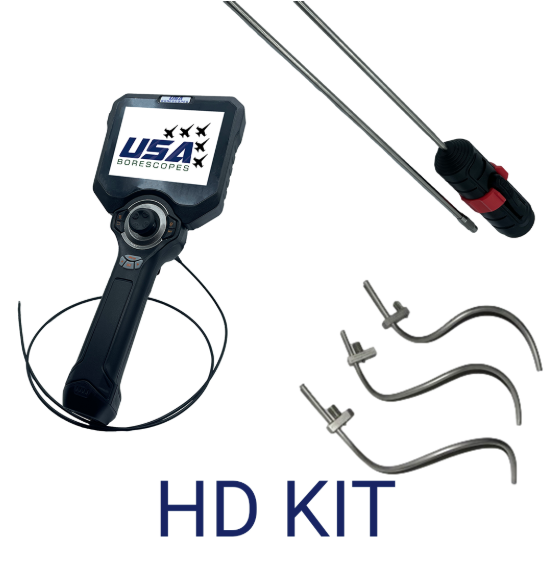
Choosing the right borescope for wear tracking
Not all borescopes are suited for long term trend analysis.
Key features to consider include image resolution, probe durability, articulation control, and data capture options. A reliable device produces clear, repeatable images inspection after inspection.
Support and guidance also matter. Having access to experts who understand inspection goals helps teams get more value from their equipment.
Turning inspections into long term value
A single inspection offers insight. A history of inspections creates strategy.
By mapping wear over time, maintenance teams move from reacting to problems to anticipating them. This shift improves uptime, lowers costs, and builds confidence in asset management decisions.
Engines last longer when their story is understood, not guessed.
Ready to Improve Engine Inspection Planning
If you want clearer insight into engine health and fewer surprises, connect with USA Borescopes today. Their team helps select the right borescope, interpret findings, and build maintenance plans that fit your operation. Better visibility supports smarter decisions, safer assets, and longer service life. Reach out to them.
About the Author
The author is an independent technical writer specializing in industrial inspection, maintenance strategy, and reliability topics. They work with manufacturers, service providers, and engineers to translate complex practices into practical guidance that supports safer equipment, smarter planning, and long term operational value for diverse global audiences.